Optimal Timing for Trench Drain Installations
Timing for trench drain installations depends on various factors including weather conditions, soil type, and project scope. Optimal periods typically include dry seasons when ground conditions are stable and accessible. Proper planning ensures efficient installation and long-term performance.
Installing trench drains during favorable weather minimizes delays caused by rain or extreme temperatures. It also reduces the risk of soil erosion and shifting, which can compromise the drainage system's integrity. Planning installations in spring or early fall often yields the best results for durability and effectiveness.
Dry weather with moderate temperatures is best for trench drain installation, ensuring stable ground and ease of work.
Clay soils require specific timing to avoid compaction issues, while sandy soils are more forgiving during installation.
Scheduling during periods with minimal rainfall helps prevent delays and soil disturbance.
Spring and early fall are optimal seasons for installations due to favorable weather patterns.
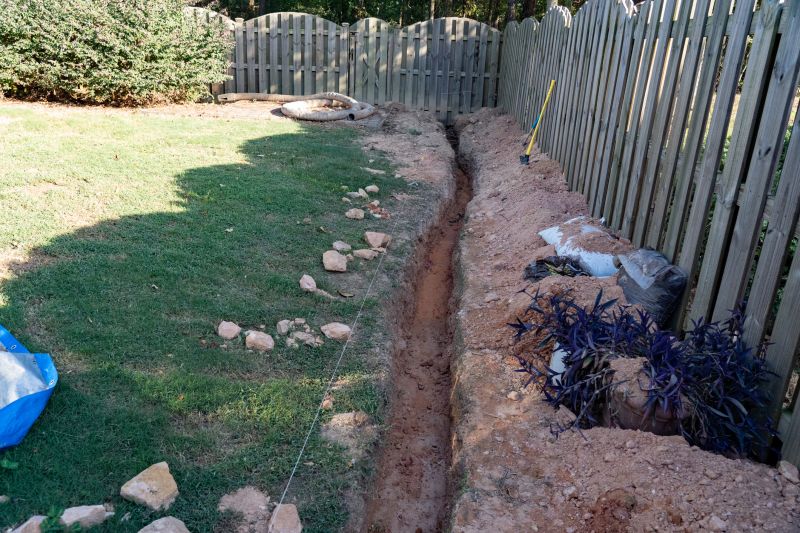
Ground is prepared during dry conditions for optimal trench formation.
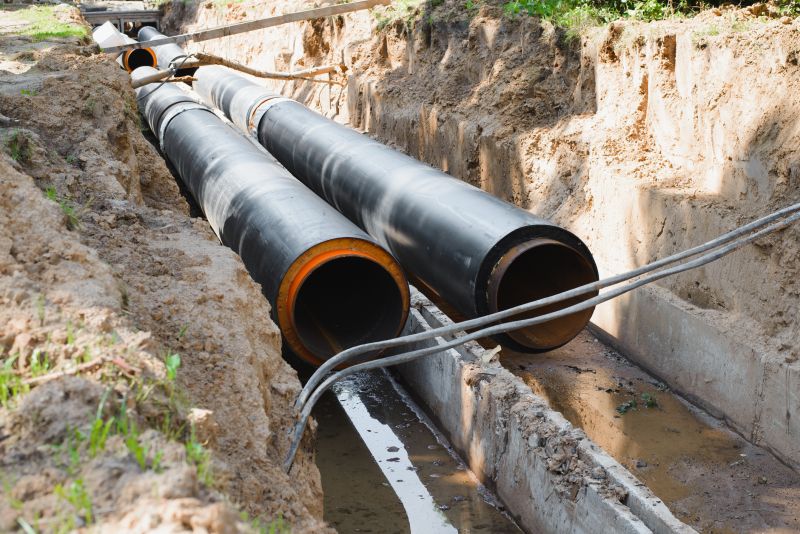
Placement occurs when soil is stable to ensure proper alignment.
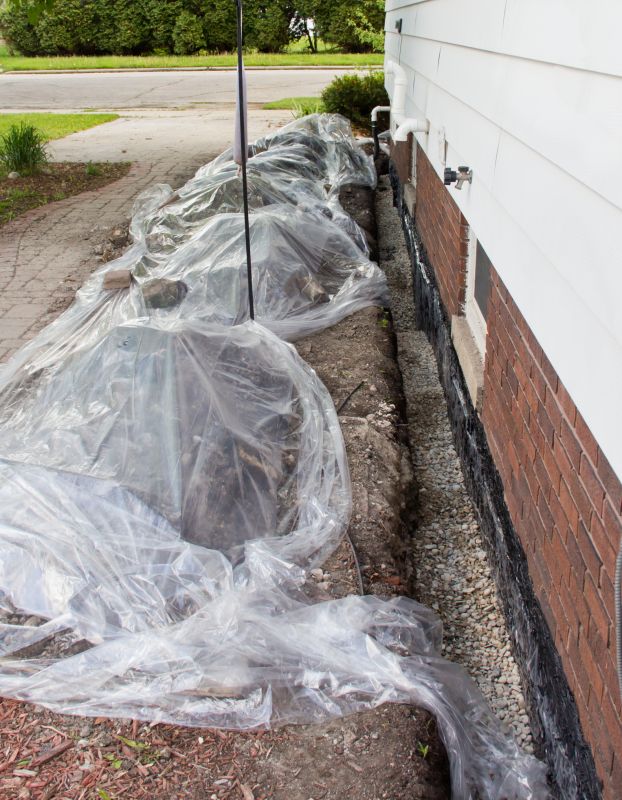
Backfilling is most effective in dry weather, preventing soil collapse.
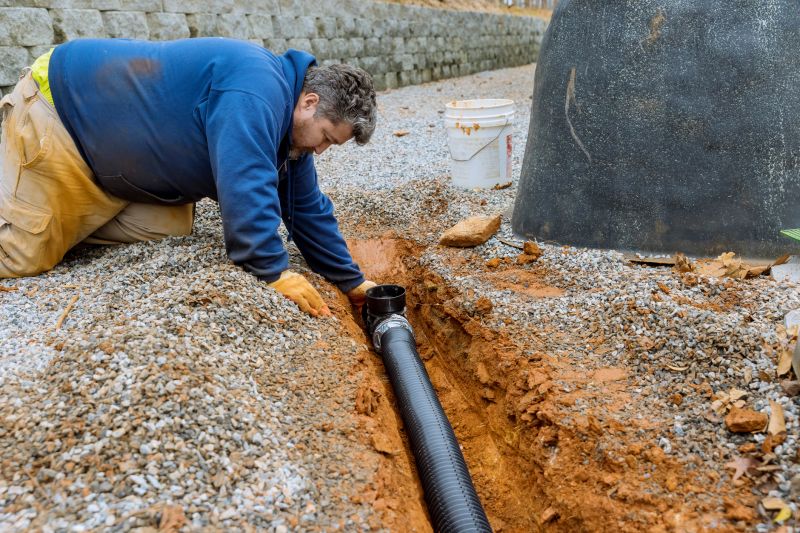
Timing in suitable seasons avoids weather-related delays.
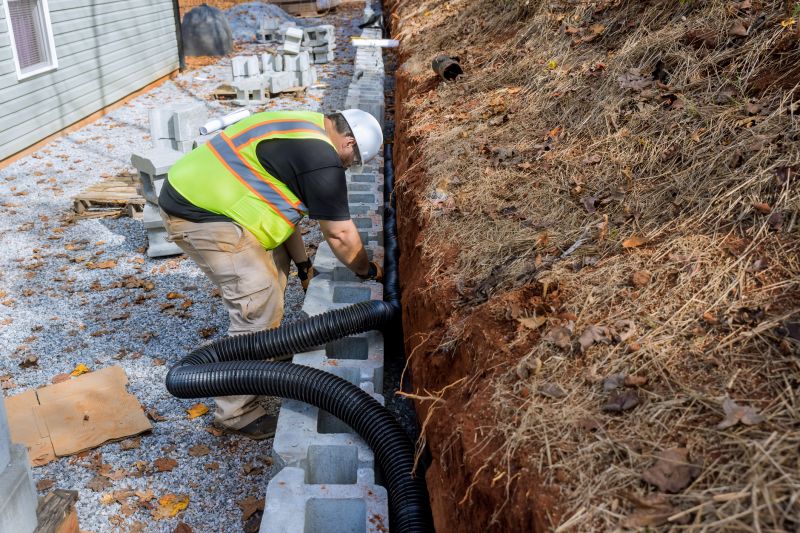
Ways to make Trench Drain Installations work in tight or awkward layouts.
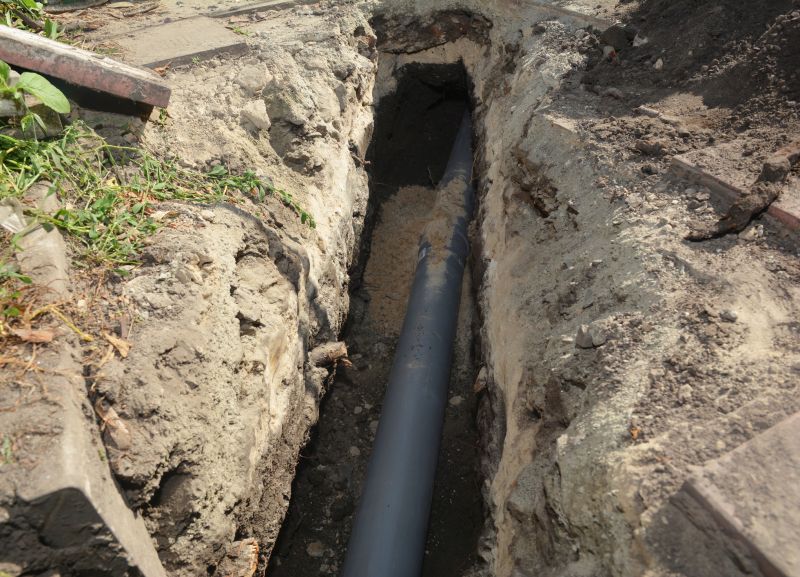
Popular materials for Trench Drain Installations and why they hold up over time.
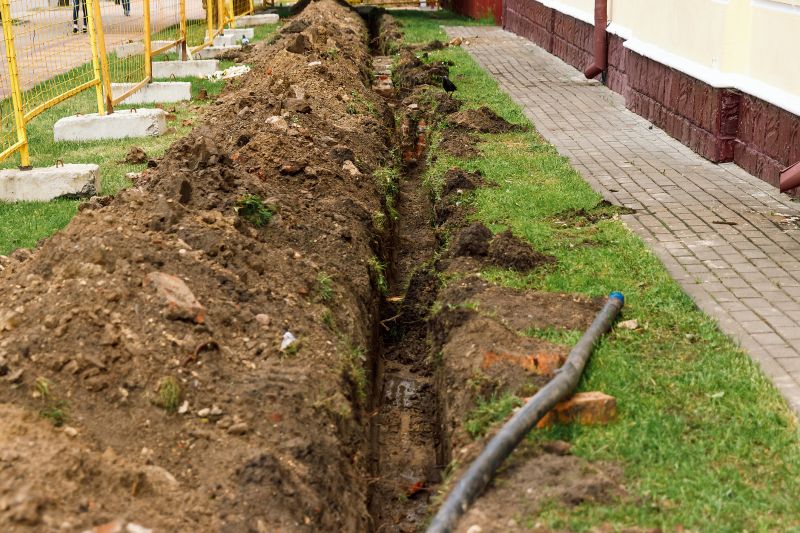
Simple add-ons that improve Trench Drain Installations without blowing the budget.
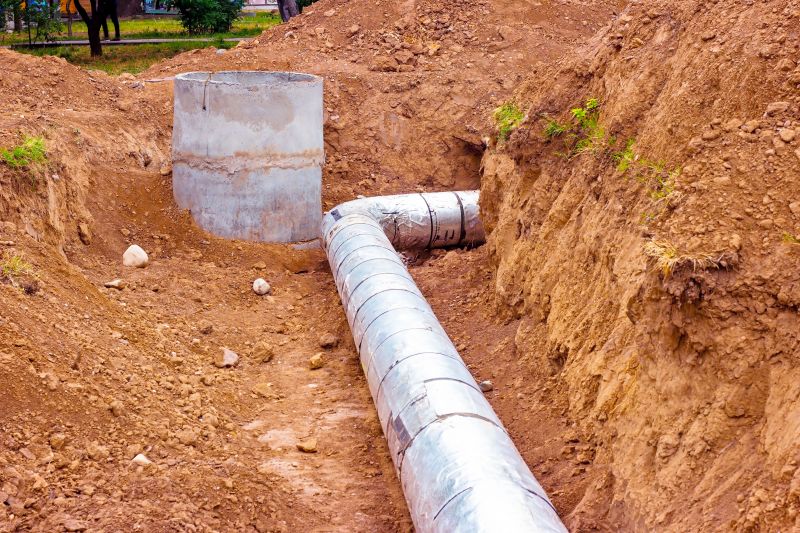
High-end options that actually feel worth it for Trench Drain Installations.
| Factor | Optimal Timing |
|---|---|
| Weather Conditions | Dry seasons, spring or early fall |
| Soil Stability | Periods of minimal rainfall |
| Temperature | Moderate temperatures, avoiding extreme cold or heat |
| Project Size | Larger projects require extended planning in favorable weather |
| Soil Type | Clay soils during dry periods, sandy soils year-round |
| Construction Access | Clear access during dry conditions |
| Environmental Impact | Avoid rainy seasons to prevent erosion |
| Long-term Durability | Proper timing reduces future maintenance |
Understanding the optimal timing for trench drain installations can improve project outcomes and system longevity. Proper planning takes into account seasonal weather patterns, soil conditions, and project scope. Coordinating installation during suitable periods minimizes disruptions and ensures the drainage system functions effectively over time.
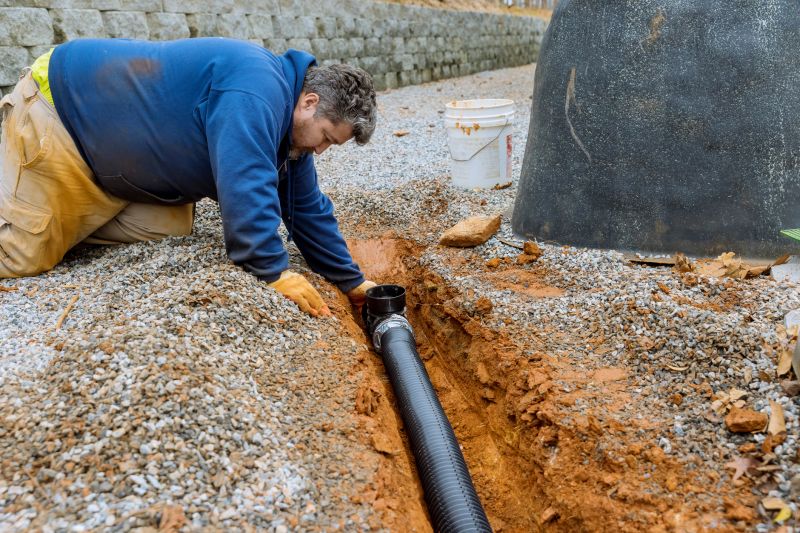
Workers install trench drains during optimal weather conditions.
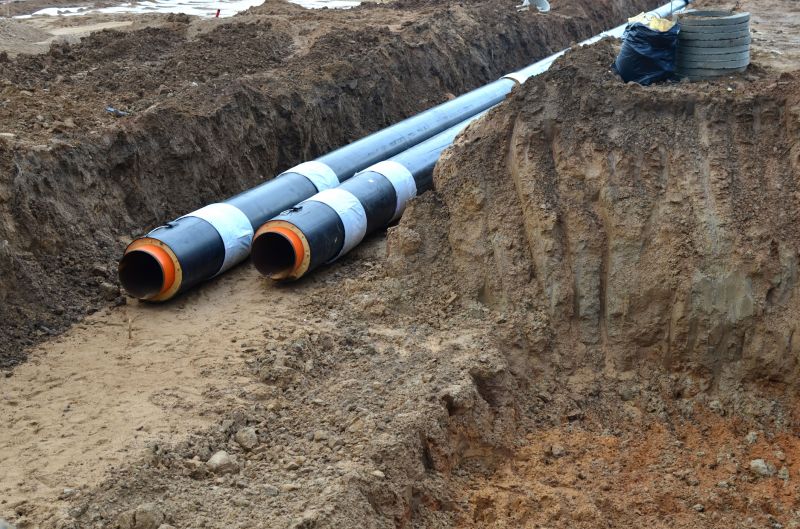
Finished installation ready for use, with proper backfill.
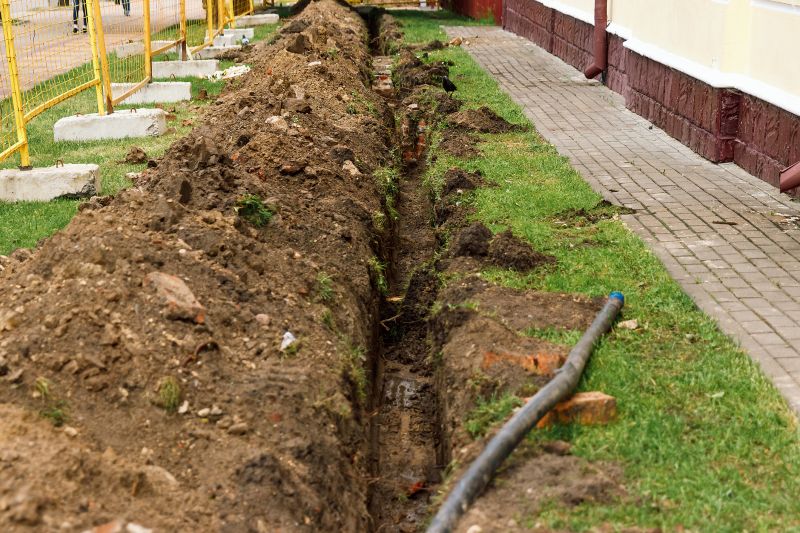
Scheduling installations based on seasonal weather patterns.
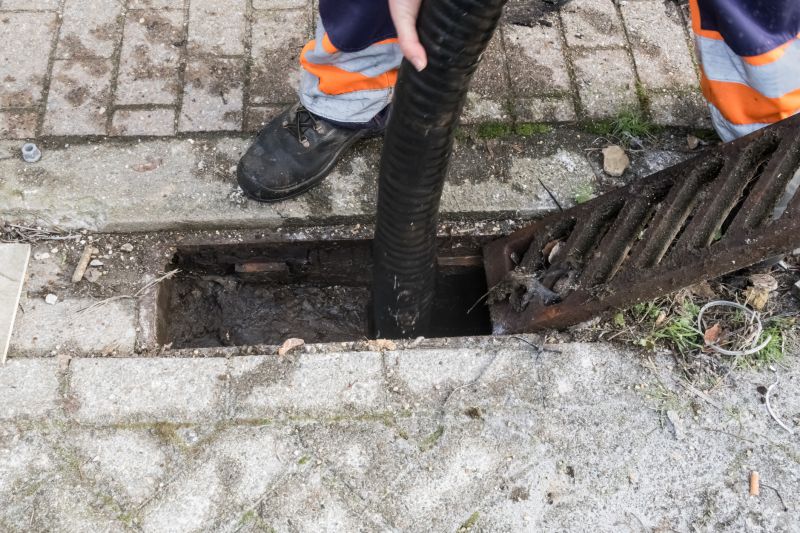
Proper timing facilitates easier maintenance and inspection.
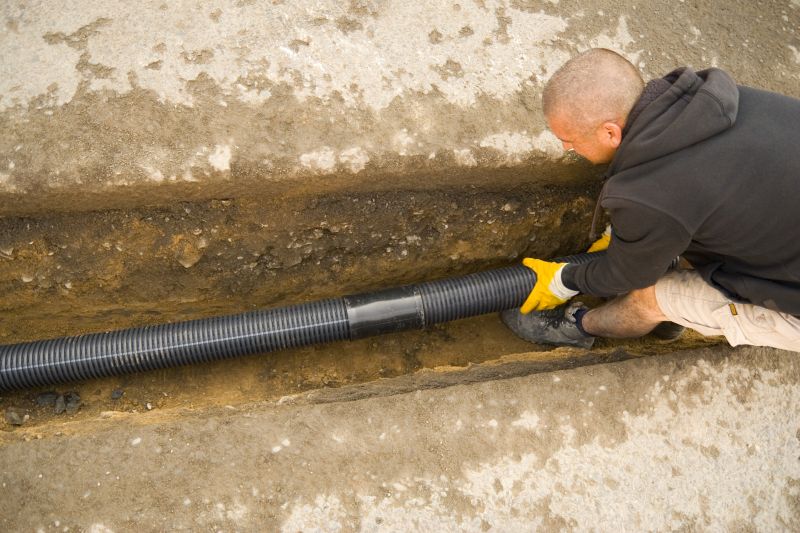
Finishes and colors that play nicely with Trench Drain Installations.
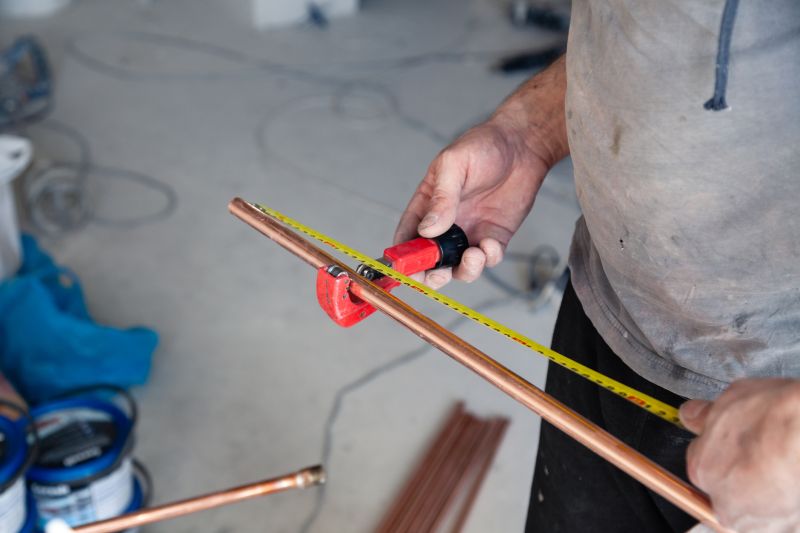
Little measurements that prevent headaches on Trench Drain Installations day.
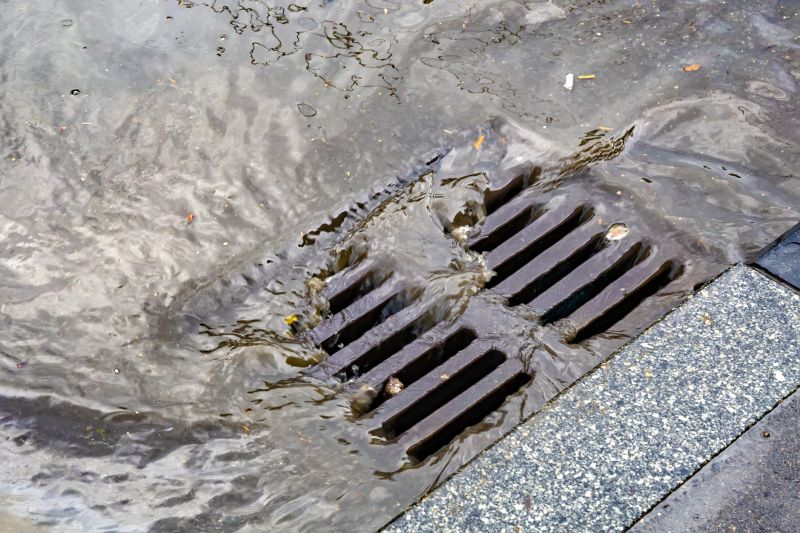
A 60-second routine that keeps Trench Drain Installations looking new.
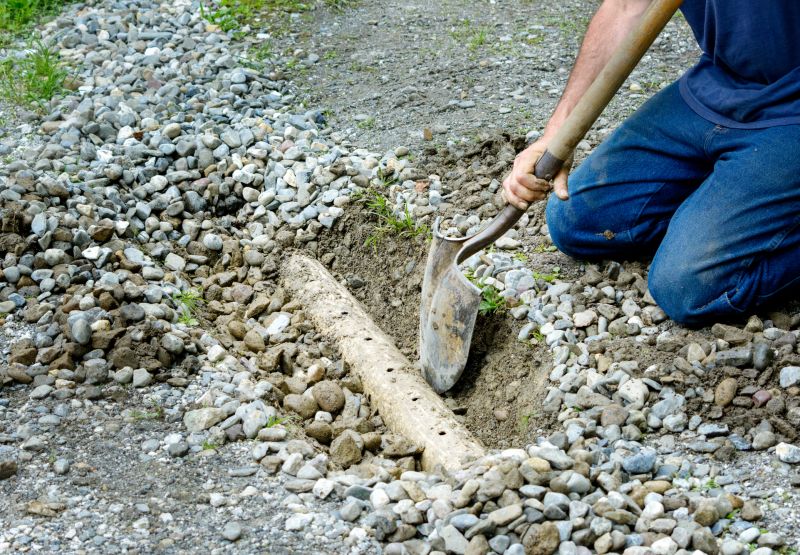
A frequent mistake in Trench Drain Installations and how to dodge it.
Interested parties are encouraged to contact for further details or to schedule trench drain installations. Proper timing and planning are essential for ensuring the effectiveness and durability of the drainage system, making professional consultation valuable.